
Update: The Farm Bill Passes!
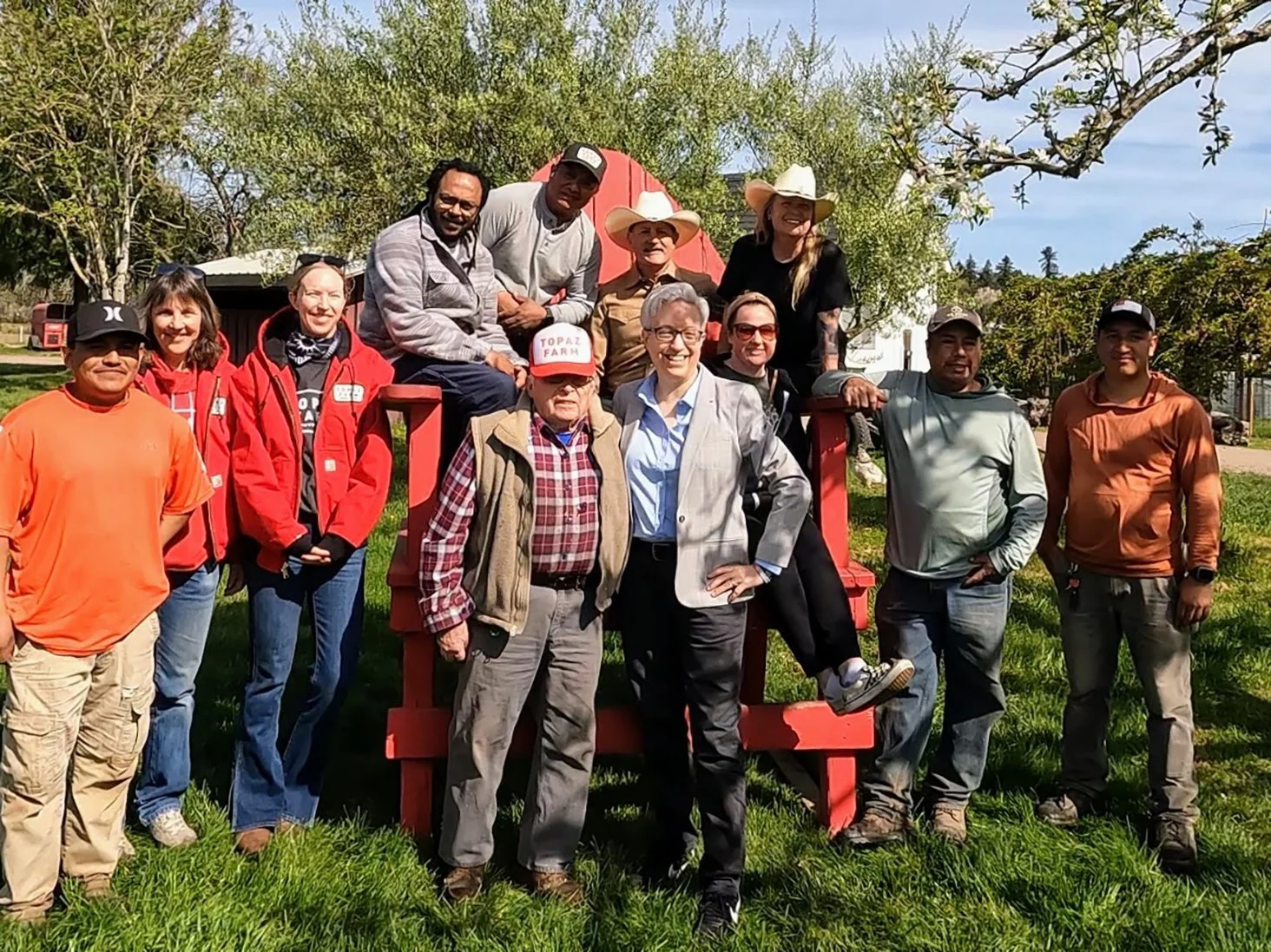
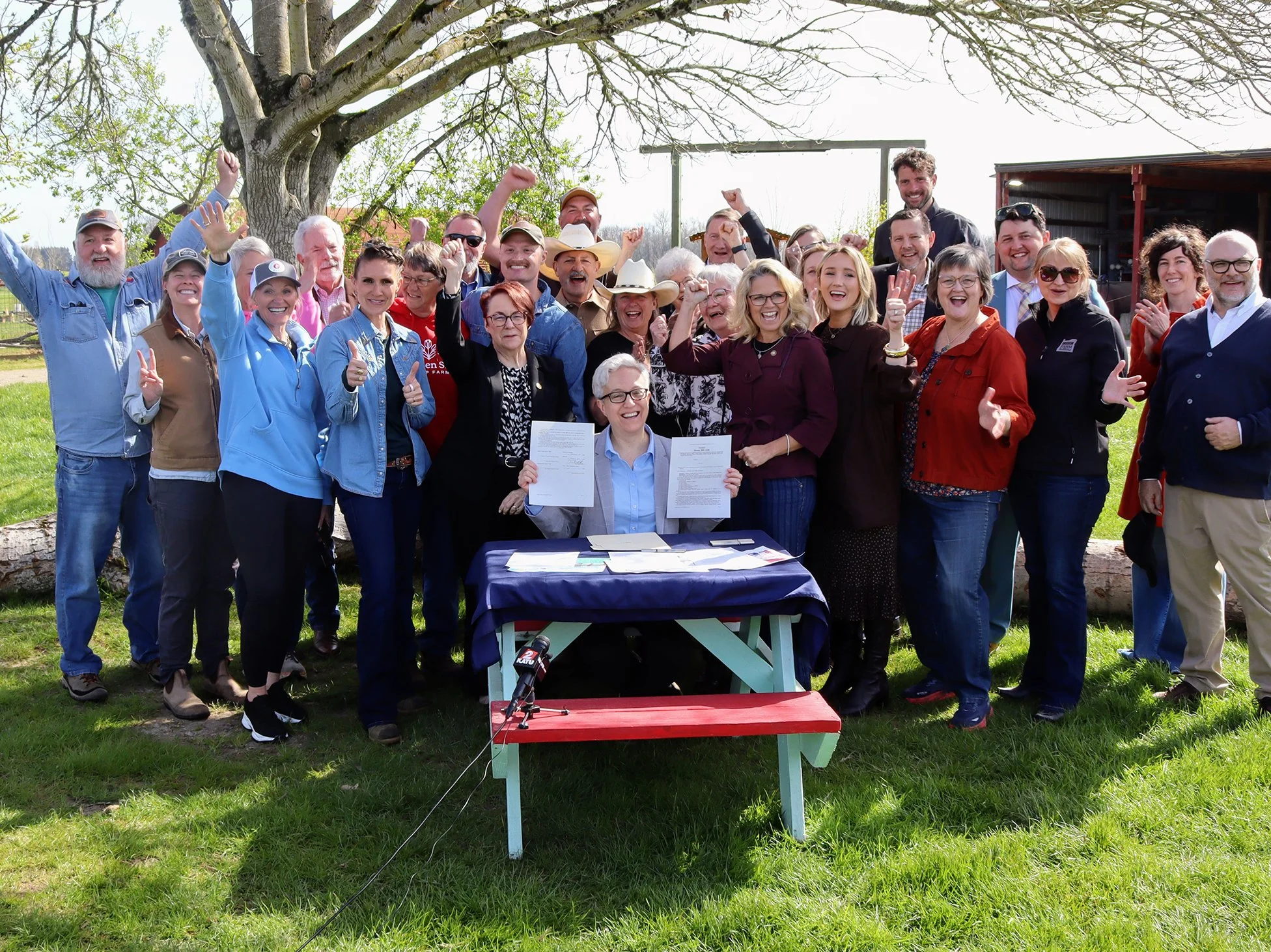
Earlier this month, the Governor came to our farm to sign the Farm Store Bill. It was an incredible moment. We were surrounded by so many people who put themselves in the crosshairs of special interest groups to fight for farmers. The original rules still exist, but thanks to this bill, a few key pieces were updated to give farmers a greater chance of surviving.
1. The elimination of the 75%/25% rule
The previous law required farm products to fall into two categories. Seventy-five percent of a farm’s income had to come from raw agricultural products, and no more than 25% could come from “incidentals.” Sounds reasonable, right? But the way the rules were interpreted might surprise you, and they varied from county to county.
A head of lettuce falls into the 75% category. But if you bag it and turn it into a salad kit, it moves into the 25% category.
Another example: we sell a lot of garlic. If we sell it for about $1 per bulb and sell 100 bulbs, that’s $100. If we have extra garlic and decide to roast it, we can sell roasted garlic for $5 per bulb. But under the 75/25 rule, we couldn’t sell more than five roasted bulbs, because that would generate $25 and push us out of compliance.
Selling other items like drinks or canning supplies could quickly throw off the percentages as well. Yet, shockingly, the original law was written in such a way that a farm stand or store didn’t actually have to farm to be in compliance. As long as the produce being sold came from a distributor who sourced it within the state, the farm didn’t need to grow anything at all.
2. You have to farm
One important point that many opponents of the bill didn’t talk about is that the new law requires you to actually farm your land.
In the early stages, the bill suggested that farms would need to cultivate 75% of their land. That sounded reasonable at first, until we heard from farmers with large areas of forest or wetlands. For them, reaching 75% would mean cutting down trees or altering protected land, which clearly isn’t the right solution.
That became a common theme. Decisions being shaped by a narrow idea of what a farm looks like. Oregon farms are incredibly diverse, and that diversity is a strength. We need common-sense laws that reflect that reality and help keep farmers farming. There isn’t a one-size-fits-all solution, but this bill gives more Oregon farmers a better chance of surviving.
3. Workshops, field trips, and farm-to-plate dinners
This new bill allows farms to legally host workshops, field trips, and farm-to-plate dinners. These are all things that don’t take away from farmland, but do give farmers more tools to stay viable.
They also create opportunities for people to come onto farmland and be more connected to where their food comes from. Not everyone has access to nature or working farms. Creating ways for people to experience farmland is good for everyone. We need fewer barriers that keep people out, and more ways to welcome them in.
This whole process was intense. We learned a lot. There were moments that felt like we were in a bad movie.
There are so many farms that are really struggling, especially in the Hood River area. Many of the fruit producers on the Fruit Loop used to make a living selling apples and cherries to distributors who supplied Oregon grocery stores. Over time, those distributors started buying fruit from California and farther away because it was cheaper.
What happens to those Hood River farms? Some can’t even afford to pay the labor to pick fruit from hundreds of trees. Some are just watching it fall. Others have turned to agritourism as a way to survive. And yet, some of the strongest opposition to this bill came from groups arguing that farms should be protected from the public, that rural land and open space are better preserved by limiting access.
But that raises a real question, protected for who?
Because when farms can’t survive, they don’t stay open space in any meaningful way. They become private estates or get absorbed into larger operations that the public never sets foot on. They become something you drive past, not something you experience.
Access to farmland and open space is an equity issue. Not everyone has the privilege of owning land, living near nature, or having easy access to open space. For many families, farms are one of the only places where they can step onto land, see how food is grown, and feel connected to something real.
If we care about preserving farmland, we also have to care about who gets to experience it.
Now, we have hope. Farming is still hard and full of challenges, but there are now a far fewer obstacles. This bill gives farms more ways to survive, which means more farmland stays in farming instead of being sold off or closed off. It helps smaller farms compete. It strengthens local food systems. It brings more consistency to rules that used to change from county to county. It reflects the reality of how farms actually operate today, not how they did decades ago.
Because the truth is, without changes like this, farms don’t just struggle, they disappear. And when they disappear, we don’t get them back. That land doesn’t stay open and accessible, it becomes private or out of reach. We lose access. We lose connection. And we lose a way of life that has defined Oregon for generations.
At a time when so many of us feel like our voices don’t matter, this proved the opposite. This bill only happened because people showed up. You wrote emails. You spoke up. You paid attention when it would have been easier not to.
You didn’t just support farms. You helped protect them.
That matters more than you know.